
+9779851111906 (WhatsApp/Viber), info@explorenepaltrek.com
+9779851111906 (WhatsApp/Viber), info@explorenepaltrek.com

- Excellent
USD $19551655 PP
based on 2 PAX
If you are someone looking for a journey that feels completely different from popular trekking routes in Nepal, the Nar Phu Valley with Annapurna Circuit Trek can be a top choice. Even though the Annapurna region is popular, the hidden valleys of Nar and Phu make it more remote, adventurous, and deeply connected to the ancient traditions. The deeper you go, the smaller the village areas start to become, with the rugged landscapes and authentic trekking style.
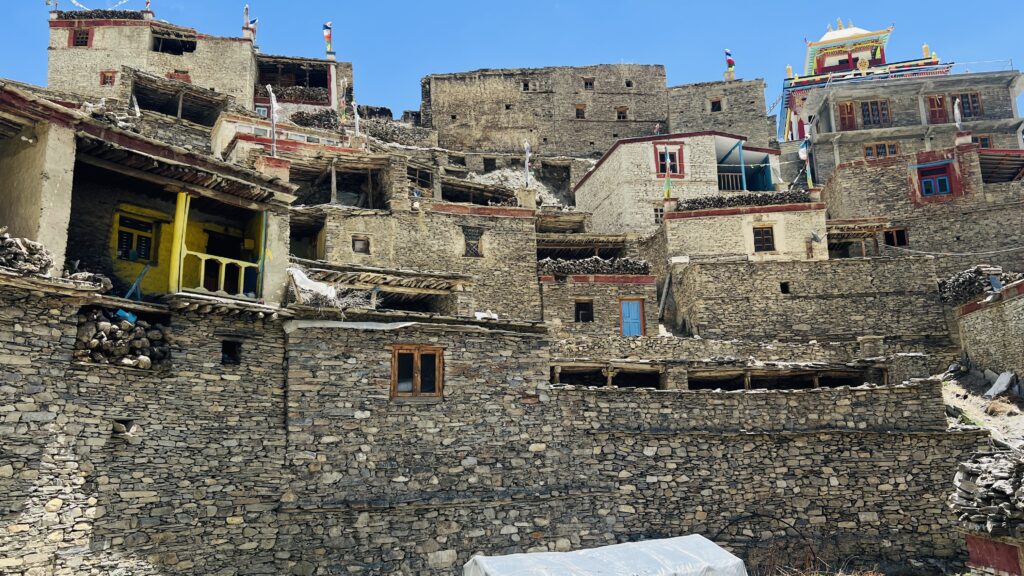
The most interesting part about the 22 Days Nar Phu and Annapurna Circuit Trek is the cultural insights you get upon doing this journey. Throughout the trek, you see stone-built villages, ancient monasteries, prayer walls, and a Tibetan-influenced lifestyle. You get to walk through narrow village paths, observe the local way of living, and adventure in one of the least crowded and peaceful areas of Nepal.
This Nar Phu Valley with Annapurna Circuit Trek is not just about the cultural exploration, but a journey that combines stunning mountain vistas of the Annapurna region. The crossing of Kang La Pass offers the wide panoramic views of snow-capped peaks, deep valleys, and rugged mountain terrain, which makes the walk more enjoyable.
Another best reason for doing this trek is the visit to Tilicho Lake, one of the high-altitude lakes surrounded by towering Himalayas in Nepal. As you reach the lake in the early morning, the weather feels clearer with fresh mountain air, giving distant views of snow-capped peaks.
After that, the journey proceeds towards Thorang La Pass, one of the areas that becomes more alpine and physically demanding. This day journey gives you colder mornings, higher elevation, and long walking hours, making it more demanding. Still, the itinerary is well-planned, as it includes proper rest days along the route, giving you a comfortable walk.
Therefore, if you want something beyond the standard Himalayan routes, this Nar Phu Valley with Annapurna Circuit Nepal Trek can be a great choice. It combines remote mountain culture, high passes, traditional villages, and classic Annapurna landscapes. This odyssey can feel both challenging and genuinely rewarding if you want to try to complete this in a more relaxed manner.
The Nar Phu Valley with Annapurna Circuit Trek feels completely different if you compare it to other trekking routes in Nepal. This gives you much quieter trails and takes you to isolated parts of the Himalayas that are less touched by modern traditions. As you leave the main Annapurna Circuit near Koto, the landscape slowly starts to change into a remote. The crowds start to disappear, and the narrow mountain paths make the walk feel tough but equally rewarding.
One of the most special parts of this trek is the cultural experience along the trail. Along the way, villages such as Nar and Phu still follow the ancient traditions that have been unchanged for generations. The trails provide you with a great look at the prayer wheels, ancient monasteries, and quiet hills around you. Having a great influence on the Tibetan culture, this trek presents a unique atmosphere that feels very different from the busier trekking areas of Nepal.
The Nar Phu Valley via Annapurna Circuit can feel a bit tough, especially if this is your first time Hiking & Trekking in the Himalayas. The tough challenge on this trek really comes when you reach the high mountain passes like Kang La and Thorang La, both sitting above 5,000 meters. At such height, the air gets thinner, and even a steady uphill walk can feel more tiring than you expect it to be.
What also adds to the difficulty is the remote and rugged terrain. If you compare this with more popular routes, this trail gives you a lot more raw and untouched experience from the start. You walk through rocky paths, narrow valleys, and wide open landscapes that get quieter the deeper you go. Some days of this trek are more tiring, especially if you head towards high passes or remote villages of Nar and Phu.
Still, even with these challenges, the trek is absolutely manageable if you take proper safety precautions and maintain a gradual pace. If you want a relaxed trip, maintain a steady pace, stay hydrated, and take acclimatization days seriously. This helps you have a much more comfortable journey from start to the end of your Nar Phu Valley trek.
The Nar Phu Valley with Annapurna Circuit Price usually depends on several things like the trekking season, group size, accommodation standard, and transportation. As the trek goes through the restricted area and crosses high mountain passes, the overall cost is slightly higher compared to other trekking routes in Nepal.
| Group Size | Price Per Person |
| 1 person | 1655 |
| 2 – 4 pax | 1575 |
| 5 – 7 pax | 1490 |
Note: It’s always a good idea to check what is included and excluded before booking, so you have a clear idea of the overall trip expenses from the beginning.
Trekking Nar Phu Valley and Annapurna Circuit is not just about reaching high passes or completing the route. This is all about having a great stay in this long Himalayan journey and making your experience even more memorable. From the remote trails of Nar and Phu to crossing the challenging Kanga La and Thorang La, having the right team by your side makes a huge difference.
Day 01 – Arrival at Tribhuvan International Airport, Kathmandu (1,324 M) and Transfer to Your Hotel.
Day 02 – Kathmandu Sightseeing Tour at Places of Interest and Annapurna Circuit Trip in Nepal Preparation.
Day 03- Drive From Kathmandu (1,324 M) to Dharapani (1,860 M). Duration: 8 – 9 Hours.
Day 04 – Trek from Dharapani (1,860 M) to Koto (2,600 M). Duration: 5 – 6 Hours. Day 05 – Trek from Koto (2,600 M) to Meta (3,560 M). Duration: 5 – 6 Hours.
Day 06 – Trek from Meta (3,560 M) to Phu Gaon (4,250 M). Duration: 5 – 6 Hours.
Day 07 – Exploration and Acclimatization Day at Phu Gaon.
Day 08 – Trek from Phu Gaon (4,250 M) to Nar Phedi (Satek Gumba) (3,440 M). Duration: 7,8 Hours.
Day 09 – Nar Phedi (Satek Gumba) (3,440 M) Nar Village (4,110 M). Duration: 3 – 4 Hours.
Day 10 – Exploration and Acclimatization Day at Nar Nar Village.
Day 11 – Trek from Nar Village (4,110 M) to Ngawal (3,660 M), Crossing Kang La Pass (5,320 M). Duration: 8 – 9 Hours.
Day 12 – Trek from Ngawal (3,660 M) to Manang (3,519 M). Duration: 4 – 5 Hours.
Day 13 – Acclimatization Rest Day at Manang (3,519 M).
Day 14 – Trek from Manang (3,519 M) to Siri Kharka (4060 M). Duration: 4 – 5 Hours.
Day 15 – Trek from Siri Kharka (4060 M) to Tilicho Base Camp (4150 M). Duration: 4 – 5 Hours. Day 16 – Hike to Tilicho Lake (4,919 M) and Back to Tilicho Base Camp (4150 M), then Trek to Siri Kharka (4060 M). Duration: 5 – 6 Hours.
Day 17 – Trek from Siri Kharka (4060 M) to Yak Kharka (4,110 M). Duration: 5 – 6 Hours. Day 18 – Trek from Yak Kharka (4,110 M) to Thorung High Camp (4,800 M). Duration: 4 – 5 Hours.
Day 19 – Trek from Thorung High camp (4,800 M) to Muktinath (3,762 M) via Thorong La Pass (5416 M). Duration: 8 – 9 Hours.
Day 20 – Drive from Muktinath (3,762 M) to Pokhara (822 M) and transfer to the hotel. Drive Duration: 7 – 8 Hours.
Day 21 – Drive from Pokhara (822 M) to Kathmandu (1,324 M) and Transfer to the hotel. Drive Duration: 7 – 8 Hours.
Day 22 – Final International Departure from Tribhuvan International Airport.
IMG_1081 2
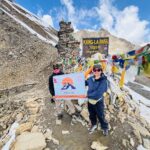
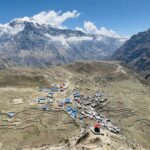
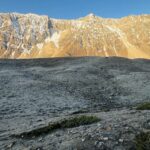
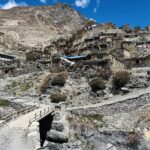
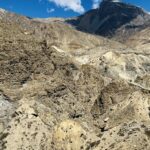
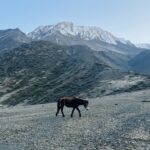
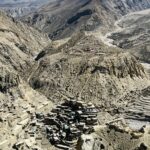
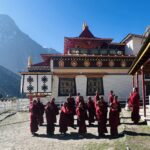
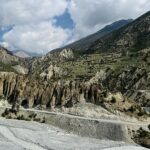
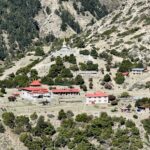
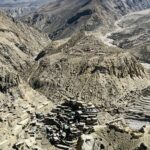
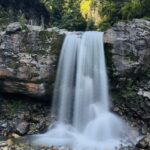
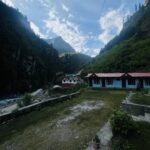
Before you start the trek, just a quick note about the itinerary. We always try to follow the plans as mentioned, but you should know that trekking in the Himalayas is never something we can fully control. There are things like weather, trail conditions, or even how the group feels on the day that can bring small changes. If that happens, we adjust in a way that is good for safety and comfort. So think of this itinerary as a well-planned guide, but with a bit of flexibility, just like a real trip in the mountains always is.
During the Nar Phu with Annapurna Circuit Trek, accommodation is usually in simple teahouses along the route. So, don’t expect it to be more luxurious, but simple facilities like a warm bed, basic rooms, and a cozy dining area where trellers gather in the evening are provided. Similarly, in places like Nar Phu and the higher section of the Circuit, the lodges are more basic, but they feel very authentic and welcoming.
When it comes to food, you get fresh and filling meals even in remote areas. The meals are mostly simple, like Dal Bhat, noodles, soups, potatoes, and some normal international dishes. But, most of the time, trekkers eat dal bhat quite often because it gives enough energy for long walking days.
For your Annapurna Circuit with Nar Phu Valley Trip, you are provided with an experienced guide and local porter who really make the journey smoother and more comfortable. They have great knowledge about this region, helping you follow well-marked routes and understand the mountain weather changes. So, they not only assist with navigation, but even ensures safety and make small adjustments during the trek when needed.
Along with that, local porters take care of your main luggage, so you can trek more freely with just a daypack. This honestly makes a huge difference on this long trekking day trip. Most of the porters are locals of the mountain region, so they are also very familiar with the trail conditions. Together, the guide and porter make the whole experience more relaxed, safe, and enjoyable in the remote areas of Nepal.
If you are planning the Nar Phu Valley with Annapurna Circuit Trek, ensuring proper gear and packing essentials is important. This helps you make your stay here even more comfortable and easier for gaining unforgettable experiences. So, if you are confused about what equipment or things I need to carry, then here is a short and useful list of packing for this trek.
The Nar Phu Valley with Annapurna Circuit Trek can be done in different seasons, but the experience can change as per the weather and trail conditions. Some months are known to bring clear mountain views and comfortable temperatures, while others make the trails feel much quieter.
Spring Season (March to May)
Spring is considered to be one of the most enjoyable times to do this trek. At this time, the weather usually stays stable, the skies are crystal-clear, and the mountain views look more incredible. As you move through the lower trails, you notice a gradual change in the landscapes, as the forests start to appear greener with rhododendron flowers blooming along the hillside.
Summer Season (June to August)
Summer is known to be the monsoon season in Nepal, so the lower areas of this region get more wet and muddy. This is what makes the route more slippery due to regular rainfall. In some areas, landslides may also affect the route and trail conditions. However, the Nar and Phu region lies in the rain shadow areas, so it receives less rainfall compared to other trekking regions.
Autumn Season (September to November)
Autumn is another peak time for doing this trek. The weather during this time stays dry and stable most of the time, and the mountain views are usually clear after the monsoon season ends. If we talk about the temperature, then autumn is probably the best time to have a comfortable atmosphere, even at Kang La and Thorang La.
Winter Season (December to February)
Winter in Nar Phu Valley with Annapurna Circuit is known to bring colder temperatures, especially for higher sections of the trek. Villages like Nar, Phu, and Thorong High Camp can get extremely cold during the morning and nights, and heavy snowfall may sometimes affect high passes. Still, for rekkers who enjoy quiet trails and dramatic mountain scenery, this season can feel much more special.
Since the Nar Phu Valley lies inside a restricted area of Nepal, trekkers need to obtain special permits before starting the journey. If you plan of doing this trek, the Nar Phu Restricted Area Permit and the Annapurna Conservation Area Permit, as well as Trekkers Information Management System (TIMS) is required. Having these permits with you throughout the trek is important, as they are checked at different points along the trail.
Doing the Nar Phu Valley with Annapurna Circuit Trek through a registered company can help you secure all these permits on your behalf. This ensures you don’t go through any confusing situations and mainly focus on the trek rather than the document process. Most trekking agencies arrange all the permits before the trek starts, after collecting your passport copy and photos.
The Annapurna Circuit with Nar Phu Valley takes you through remote mountain regions and high-altitude passes. So, staying careful and prepared along the journey is very important. Below are some of the tips and techniques that can help you have a great time and stay even in the higher remote areas of Nepal.
Before you start the trek, travel insurance is something we strongly recommend before starting the Nar Phu Valley with Annapurna Circuit Trek. This helps you have a safe and secure trip to Nar Phu Valley, as it covers high-mountain trekking and protect from unexpected situations.
But be sure the policy covers high-altitude trekking (above 6,000 meters), emergency helicopter evacuation, medical treatment, and trip cancellations or delays. Having travel insurance is a must, mainly for restricted areas in Nepal.
On day 01, you will have your first arrival at the Tribhuvan International Airport in Kathmandu. Here, one of our team representatives will be waiting to greet you and drop at the designated hotel inside Kathmandu valley. The drive is quite short, but it gives you look at the busy streets, small shops, and lively markets. As you reach the hotel, you can simply relax for a while or step out to explore the bustling streets of Kathmandu.
Today is your second day of stay in Kathmandu, as you get a short briefing about the Annapurna Circuit with Nar Phu Valley. Followed by a short intro to this trip, next you head onto the major sightseeing program around Kathmandu Valley. On this day, you will be exploring Swyambhunath, Boudhanath, Pashupatinath, and Durbar Square. This is great to gain some insights about the culture and traditions of the bustling capital city of Nepal. In the evening, utilize this time to do last-minute shopping and take enough rest for a great start to the adventure the next day.
Today is the day you begin your journey of the Annapurna Circuit. The drive starts after having a fulfilling breakfast at your hotel in Kathmandu. The road towards Dharapani is well-maintained, taking over winding hills, flowing rivers, and small areas that are more remote in nature. In the evening, you arrive in Dharapani, one of those calm mountain villages that serves as the starting point of your adventure. You get local teahouse accommodation, giving an ideal place to rest after long hours of drive.
On Four Day, you make your trek towards Koto from Dharapani, the first experience of trekking here. This day’s walk feels more refreshing as you pass over dense forests, small settlements, and suspension bridges. Followed by a trek of 5 to 6 hours, you finally reach Koto, a great mountain place to enjoy a quiet and peaceful environment. This mountain area village is remote and calm, offering views of the distant peaks.
Once you leave Koto, you can really feel the trail changing as you enter the Nar Phu region. From this point, the crowds start to disappear, and everything starts to feel much quieter and more remote. The path moves through rocky landscapes, narrow sections of valleys, and open mountain terrain where you often walk without seeing many people around. As you continue towards Meta, the scenery starts to feel much more remote and untouched. By the time you reach Meta, the areas get more isolated and provide you with an experience that feels much more special.
Today’s walk feels like you are slowly moving deeper into a hidden Himalayan world. The walk from Meta feels quiet and far away from everything, with rocky trails, wide open valleys, and mountain views that keep changing as you move further. This day’s journey gives you a chance to enjoy the remote nature and appreciate the surroundings in a more personalized manner. By the time you reach Phu Gaon, the village feels more peaceful and different due to less modern influence.
Today is just spending time in Phu Gaon without any rush. Since you are already at a higher altitude, this rest day helps your body adjust while giving you time to really enjoy the village itself. You wander through the small stone lanes, visit the old monastery, or simply sit somewhere quiet and take in the mountain views around you. Sit outside the teahouses and enjoy the peaceful atmosphere, as it makes your stay great.
Making your trek from Phu Gaon towards Nar Phedi gives a major shift in the landscapes. On this day, you see wide open landscapes with gentle ridges where the surroundings feel quiet and peaceful, almost the entire way. Followed by a trek of 7 to 8 hours, you finally reach Nar Phedi, a great place that is known for its peaceful monastery. It serves as a great place to rest and feel the peaceful atmosphere, making your stay even more comfortable.
This is a shorter climb than yesterday, but you definitely need to gain some altitude, which can be tough at the start. The trail on this follows a steady uphill climb, and the higher you go, the more stunning the mountain views open up. By the time you reach Nar Village, a unique area with old stone houses, mountain views in every direction, and a strong sense of traditional Himalayan culture.
Today is all about taking it easy and letting your body adjust to the higher altitude. Nar Village is great to just slow down and breathe in the mountain atmosphere, as you wander around the village at your own pace. You can even chat with the locals, take a short hike to a small viewpoint, or simply utilize the time appreciating the stunning atmosphere. This is an important day on the trek, as it gives your body proper time to adjust before moving towards the higher mountain passes ahead.
Today, you leave Nar Village early and begin a steady climb towards Kang La Pass. The trail keeps on rising, as the air even starts to get thinner, so be sure to maintain a slow pace. This section of the path is not easy, but the changing surroundings along the way keep you more engaged in the journey. As you reach the top of Kang La Pass, the landscape starts to open up wide. After enjoying some time at the pass, you begin your descent towards Ngawal, giving you more easier to breathe and fresh atmosphere.
After a successful crossing of the Kang La Pass, you make your trek towards Manang from Ngawal. The route from here feels much easier and more comfortable, giving you a stunning look at the change in landscape. By the time you reach Manang, the atmosphere gets easier to breathe with more accommodation options, bakeries, and a large number of trekkers around the village.
Today is kept as an acclimatization day in Manang. This is done to help your body adjust to the higher altitude before proceeding to a higher altitude. Manang is a great place to rest and take a short walk around the villages, as well as reach a stunning viewpoint for better acclimatization. In the evening, just sit outside the teahouses, appreciate the surrounding vistas, and simply spend the time interacting with the locals.
Trekking from Manang to Siri Kharka gives you a great place to see the stunning peaks from close by. The route takes you through high landscapes that feel more amazing. This day trek feels much more comfortable as you get to enjoy the changing surroundings. Similarly, after you walk for about 4 to 5 hours, you finally reach Siri Kharka,
Making your trek from Siri Kharka to Tilichi Base Camp is known to gain a higher altitude. This day’s walk can feel tougher than it seems due to rugged mountain paths. Along the route, the rocky paths and steep hillside pose challenges that need to be carefully passed. In the evening, you reach Tilicho Base Camp, a perfect place to enjoy the quiet, raw, and completely impressive mountain surroundings.
Today’s trek is one of the most rewarding as well as challenging, as you hike towards the Tilicho Lake. The morning walk can be easier, but the trail involves climbing through higher sections that feel tougher yet equally dramatic, with mountains surrounding you. As you stand at the lake, you get a sense of calmness, as the icy-blue water sitting beneath the towering Himalayas makes it worth seeing it. After spending some time there, you slowly make your way back to the Tilicho Base Camp, followed by a short trek towards Siri Kharka on the same day.
On Seventeen Day, you move from Siri Kharka to Yak Kharka, which follows a steady climb, and head towards the main Annapurna trail. Today’s walk includes passing through open landscapes, rocky sections, and wide mountain views that keep changing as you elevate. Be sure not to rush quickly, as the peaceful environment and surrounding beauty along the way are something you should definitely not miss. As you trek for 5 to 6 hours, you finally reach Yak Kharka, a great place to rest before heading towards the higher altitude.
Today, you continue the steady climb from Yak Kharka towards Thorang High Camp. The trail moves through open, rocky landscapes with wide views of the surrounding mountains that give you company along the way. This is not a very long walk, but the thinner air makes you naturally slow down and take your time. By the time you reach Thorung High Camp, it feels cold, quiet, and right at the edge of the high Himalayas.
This day’s trek can also be regarded as the most rewarding as well as tough journey of the Nar Phu and Annapurna Circuit journey. On day 19, you start your early morning walk from Thorang High Camp and proceed further towards Thorang La Pass. The trail can be tough, but maintaining a gradual pace can help you make your journey feel more relaxed. As you stand at the top of the pass, the feelings you get are incredible, as well as the eye-catching Himalayan vistas that tower all around you.
You get to spend some time at the pass, and then begin your descent towards Muktinath due to the heavy wind at the higher point. Be sure, as the downhill walk can feel tough on your knees, required to be extra careful. As you reach Muktinath, the landscapes starts to change, and the atmosphere gets more friendly and rewarding.
After successfully completing your Nar Phu Valley with Annapurna Circuit Trek, you leave from Muktinath and head to Pokhara. The journey can be more rewarding, as you return with a lot of mountain memories, a sense of achievement, and great experiences that you truly cherish for life. The road takes you through the high Mustang region, navigating via small villages, rivers, and landscapes that keep on changing. In the evening, you reach Pokhara, a great place where you stayed before starting your trek. Here, the atmosphere feels completely different if you compare it with the mountain surroundings.
After a warm stay in Pokhara, you begin your return drive to Kathmandu. Today’s drive can be a bit long, but worthy of all the hours it takes. The journey passes through small roadside towns, green hills, and beautiful rivers that make your drive feel more enjoyable from the start. As you near Kathmandu, the heavy traffic and loud noise give you a sense that you have finally arrived at the lively capital city. Check into your hotel rooms, take enough rest, and if you get free time, walk around the streets of Kathmandu for the last time before you return.
Today is all about having your return journey to your next destination. As per your flight schedule, one of our team representatives will help you with the airport transfer process, ensuring a safe and relaxed trip even at the end. Stay extra careful and reach the International Airport 3 hours before your flight time, as during peak seasons, the airport is packed due to trekkers.
Considered a challenging trek in the Annapurna Region, this Nar Phu Valley Journey is known to cross through a high mountain pass. Unlike the Kang La and Thorang La Pass, which pose great difficulty to navigate through it.
Not really, but if you gain some expertise in technical sections, then the overall journey can be a rewarding one for you. This circuit trek requires trekkers to be physically as well as mentally fit for long walking days.
Probably not, because of the great challenges during the off-season. Most of the trekkers prefer doing this during spring (March to May) and autumn (September to November). These times give you favorable trekking conditions, well-marked routes, and predictable weather for crossing high mountain passes.
Yes, altitude sickness can be a major concern when going above 5,000 meters. But, as far as we are concerned, we planned an itinerary for you that gives you a well-paced walk each day, along with an acclimatization day to have proper rest for adjustment.
Absolutely! Our team selects teahouses that are safer, more secure, and give trekkers a relaxing overnight stay. They include simple rooms, warm blankets, and a shared bathroom, only during your higher altitude stay.
Yes, you need to secure a Nar Phu Restricted Area Permit, an Annapurna Conservation Area Permit, and a Trekkers Information Management System (TIMS) Card. These permits are compulsory to obtain from Kathmandu if you want a legal and stress-free travel through this region.
Most of the time, the options are limited due to limited infrastructure. You get simple dishes like dal bhat, noodles, fried rice, soup, tea, or coffee in the morning, and basic international-style dishes in lower areas.
In the lower areas of this region, the internet and mobile network are easily available. But, as you get to higher areas, most of the time, neither of these services is possible, so communication is only done through satellite phones.
If we compare this with the EBC trek, then the Nar Phu with the Annapurna Circuit is much less crowded due to the remote location. Whereas the Everest trek involves more modern infrastructures with well-managed accommodation, which makes it even more popular.
First-time trekkers without any experience can do this trek, but they need to have an expert guide who has gained great years of experience in mountain trekking, particularly in the remote areas. So, if you are with them, taking on this trek can be great and offers a comfortable start to the adventure.
Yes, we have included Tilicho Lake in our Nar Phu Valley with Annapurna Circuit Trek itinerary. This is what makes this even more special, as you get to complete three different treks at once.
During spring and autumn, the temperature is not too cold even at the high mountain passes, but still, having proper clothing and gear is recommended. In the same way, winter can bring extremely cold temperatures with passes full of snow that makes it harder for beginners to ascend through it.
Yes, for trekking to restricted areas in Nepal, having a licensed guide is mandatory. They gain years of expertise in such remote conditions, ensuring you stay safe, navigate easily, and complete the trek without any difficulty.
You must pack warm clothing, a down jacket, a high-quality sleeping bag, water bottles, good trekking boots, and basic medications that are required.
Definitely, charging facilities are provided at the local teahouses, but as you get higher, it can be more limited or even unreliable. These facilities can even cost you an extra fee, so we highly suggest carrying a portable power bank with you.
Transportation is mostly on roads, as you take a comfortable drive from Kathmandu to Dharapani, and end with a drive from Muktinath to Pokhara. From there, you take another return drive to Kathmandu.
Obviously, we highly indicate to ensure with a travel insurance for this remote area trekking. But be sure that the policy must cover high-altitude trekking, emergency helicopter evacuation, medical coverage, and trip cancellations.
"*" indicates required fields

USD 950
View DetailsAnnapurna Circuit Trek is one of the most challenging treks in the Annapurna region that takes trekkers to an altitude of 5,416 m (Thorang La Pass).
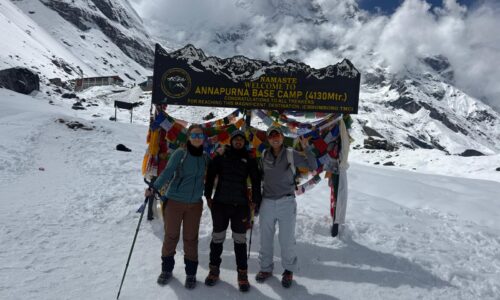
USD 980
View DetailsAnnapurna Base Camp Trek, one of the popular trek. Mt. Annapurna that rises 8091m is the 10th highest mountain in the world
USD 500
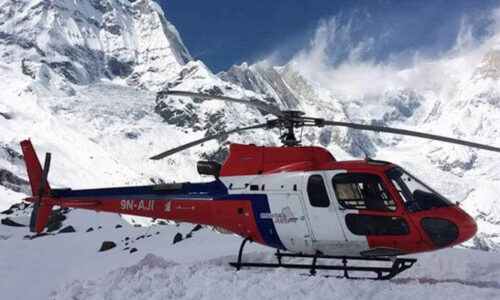
View DetailsThe Annapurna Base Camp Helicopter Tour quickly reveals stunning landscapes, green hills, Pokhara Valley, and snowy peaks.