November 3, 2026
For someone wanting to reach the base camp without a full week spent on the trail, the Annapurna Base Camp Trek 6 days is worth considering. The route takes you through Gurung villages, forested paths, stone staircases, and mountain scenery before reaching Annapurna Base Camp at 4,130 meters. But six days is a fairly tight schedule. You need to be comfortable with several hours of walking each day, especially during the longer sections of the trek.
Most of the Annapurna Base Camp 6 day itinerary starts and finishes in Pokhara. But different factors such as route, each day’s walking hours, total cost, and package coverage decide whether it suits you or not. For someone who prefer shorter walking days of more, the Annapurna Base Camp 13 days may be a better choice.
Annapurna Base Camp Trek 6 Days: Trip Overview
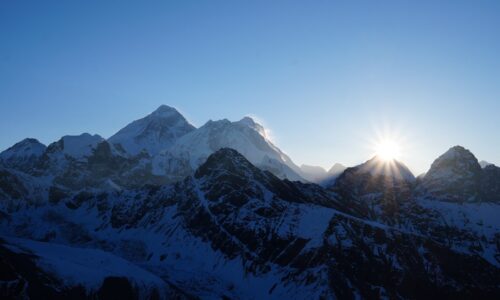
One of the things that makes the Annapurna Base Camp trek special is how the scenery changes along the way. You begin among villages and terraced hillsides, walk through cool forests, and gradually enter a high mountain valley surrounded by peaks. By the time you reach Annapurna Base Camp, the landscape looks very different from the lower trails.
Six days does not leave much room for a slow pace. You spend several hours walking on most days, and some sections have long stone staircases that can be tiring on the knees. Teahouses provide places to eat and sleep, but facilities and conditions can change quickly, even during these seasons.
Below are some useful details to know before you understand the itinerary. These are just outlines and can vary depending on the route and trekking company, so confirm them before booking.
| Trip Details | What to expect |
| Duration | 6 days |
| Starting and ending point | Pokhara |
| Highest point | Annapurna Base Camp 4,130 m (13,550 ft) |
| Difficulty | Moderate to challenging |
| Walking time | Often around 5 to 8 hours a day |
| Accommodation | Teahouses along the route |
| Popular trekking seasons | Spring and autumn |
| Places on the way | Chhomrong, Bamboo, Deurali, and Machhapuchare Base Camp |
Can You Complete the Annapurna Base Camp Trek in 6 Days?
Six days is enough to reach Annapurna Base Camp and return to Pokhara. The usual route passes through Chhomrong, Baboo, and Deurali before climbing to the base camp. You don’t need technical climbing skills, but you do need the stamina to walk uphill for several hours.
The schedule depends on where you begin counting. Most six-day packages start in Pokhara, with a drive to the trailhead on the first day. If you are coming from Kathmandu, allow extra time for the journey to Pokhara. Trying to fit the whole trip, including travel from Kathmandu, into six days can leave very little room for delays.
The part worth thinking about is how you feel after a few days on the trail. Stone steps can be tiring, even for regular exercisers, and the walk to base camp takes you above 4,000 metres. Being fit helps, but it doesn’t prevent altitude sickness. A steady pace and attention to how you feel matter more than trying to keep up with the fastest walkers.
If your holiday is short, this itinerary may suit you. If it’s your first multi-day trek and you’re unsure how your body will handle long walking days, consider allowing an extra day or two. During this time, you get better flexibility, as it allows proper rest days, walking at a steady pace, and handling changing weather instead of rushing.
Annapurna Base Camp Trek 6 Days Itinerary
This six-day route follows the main trail to Annapurna Base Camp and returns to Pokhara. The walking days are fairly full, particularly on the way back, so it’s worth checking the overnight stops with your trekking company before booking.
| Day | Route | Overnight altitude | Walking time |
| 1 | Pokhara to Chhomrong | 2,170 m | 3 to 4 hours, plus drive |
| 2 | Chhomrong to Dovan | 2,600 m | 5-6 hours |
| 3 | Dovan to Deurali | 3,200 m | 4-5 hours |
| 4 | Deurali to Annapurna Base Camp via Machhapuchare Base Camp | 4,130 m | 5-6 hours |
| 5 | Annapurna Base Camp to Bamboo | 2,310 m | 6-7 hours |
| 6 | Bamboo to Jhinu Danda, then drive to Pokhara | 822 m | 4-5 hours, plus drive |
Day 01: Pokhara to Chhomrong
After leaving Pokhara by road, you’ll reach the trailhead and begin walking towards Chhomrong. The first day includes village paths, farmland, and a fair amount of climbing on stone steps. Chhomrong is a common overnight stop for trekkers heading towards the Annapurna Sanctuary. If you arrive with enough daylight, you can settle into the teahouse and get your gear ready for the longer walk ahead.
Day 02: Chhomrong to Dovan
You’ll descend from Chhomrong towards the river before climbing back up to Sinuwa. From there, the trail passes through forest and continues towards Bamboo and Dovan. The repeated ups and downs can take more energy than expected, even though the distance may not look particularly long on a map. Keep a steady pace and take breaks when needed instead of rushing to reach the next teahouse.
Day 03: Dovan to Deurali
The trail follows the Modi Khola valley, passing through forested sections and rocky terrain as you gain altitude. You’ll pass areas such as the Himalaya before reaching Deurali, where the landscape begins to feel more alpine. This is a useful day to slow down, eat properly, and rest well. The next day’s walk reaches a much higher elevation, so pay attention to how you’re feeling rather than focusing only on the distance.
Day 04: Deurali to Machhapuchare Base Camp and then to Annapurna Base Camp
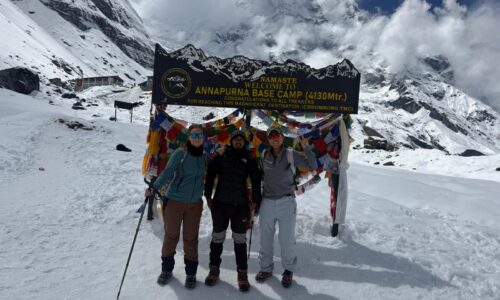
From Deurali, continue towards Machhapuchhre Base Camp before making the final approach to Annapurna Base Camp at 4,130 metres. The valley opens up as you get closer, with mountain slopes rising around the sanctuary. Weather can affect visibility, so the views aren’t guaranteed, even after a long climb. Walk at a comfortable pace and tell your guide if you develop a headache, nausea, dizziness, or unusual fatigue.
Day 05: Annapurna Base Camp to Bamboo
After spending time at base camp, retrace your steps towards Machhapuchhre Base Camp and Deurali, then continue downhill to Bamboo. Although you’re losing elevation, this can be a tiring day because of the long descent and uneven stone steps.
Day 06: Bamboo to Jhinu Danda and Pokhara
The final day of your journey includes descending towards Sinuwa and Chhomrong, followed by the final approach to Jhinu Danda. These sections include proper uphill sections, so make sure to walk at a steady pace. As per your itinerary as well, you have time to visit the natural hot spring, which lets you relax your muscles after long walking days. From there, you make your drive toward Pokhara for your overnight stay.
Annapurna Base Camp Trek 6 Days Cost
The Annapurna Base Camp Trek from Pokhara can cost you around US$550 to 650 perperson for a guided package. However, the actual price can depend on your group size, so we suggest checking at the beginning. Before comparing offers, check whether the amount is per person and whether transport to the trailhead is included.
Ask the company what you’ll need to pay for separately. Permits, a guide, teahouse stays, and meals may be covered, but drinks, snacks, hot showers, charging devices, tips, and travel insurance can add to your spending. A cheaper package isn’t necessarily better value if several essentials are left out.
How Difficult is Trekking the Annapurna Base Camp in 6 days?
Six days doesn’t sound very long until you look at what your legs have to do. On the way to Annapurna Base Camp, you’ll climb stone steps, cross forested sections, and pass through several villages. Some stretches feel manageable, but the repeated climbs can wear you down by the afternoon.
Coming back isn’t simply an easy walk downhill. You’ll retrace much of the same trail, and the steps can be hard on tired knees. If you’ve only done short hikes before, the back-to-back walking days may be the biggest adjustment.
You don’t have to be an athlete to attempt this trek. Being used to walking for a few hours, carrying a daypack and climbing hills will help more than occasional gym sessions alone.
The other thing to consider is altitude. Base camp is 4,130 metres above sea level, and some people feel unwell there. If you develop a headache, nausea, or dizziness, tell your guide and don’t continue upwards while symptoms are worsening.
Altitude, Acclimatization, and Safety
At Annapurna Base Camp, you’re standing at 4,130 metres (13,550 feet). You may find yourself breathing harder than usual, even when walking slowly. The six-day schedule gives you limited time to adjust to the rising altitude, so don’t treat the itinerary as a race.
A headache, nausea, dizziness, or unusual tiredness could be a sign of altitude sickness. Therefore, it’s advisable to inform your guide about your conditions. During worsen conditions, immediately descend and seek for medical help.
Along with these, better to carry some warm layers because temperatures can drop quickly at night. Drink water regularly, eat enough, and check the weather before setting out each morning. Good fitness helps with the walking, but it doesn’t prevent altitude sickness. Travel insurance should cover high-altitude trekking and emergency evacuation.
Best Time for Annapurna Base Camp
Spring, from March to May, is a popular time for the Annapurna Base Camp Trek. The weather is often suitable for walking, and the lower trails become colourful with rhododendron flowers. As you climb higher, the scenery changes from forest to snowy mountain views.
Autumn, from September to November, is another good choice. At this time, you see that the skies are pretty much clearer after the monsoon, which gives a better look at the snowy peaks. It’s also a busy season, so booking teahouse accommodation in advance can help.
The monsoon months, June to August, bring heavy rain, slippery paths, and leeches at lower elevations. Clouds can also hide the mountain views, although the trail is quieter.
Winter, from December to February, can be very cold near base camp, with snow affecting higher sections. If you’re planning a six-day trek, check current weather and trail conditions before setting off.
Accommodation, Meals, Permits, and Guide
You’ll spend the nights in teahouses along the trail. Staying here, you’ll see the rooms are much simpler and more basic, with twin beds and bathrooms that are mostly on a shared basis at higher altitudes. You are already provided with a blanket in your room; however, a sleeping bag can give you much comfort. Hot showers, Wi-Fi, and charging points aren’t always available at every stop, and they may cost extra.
Food is usually ordered from a teahouse menu. Dal bhat, noodle soup, fried rice, potatoes, eggs and momos are common options, though choices can become more limited higher up. Ask whether breakfast, lunch, and dinner are included in your package.
The trek generally requires an Annapurna Conservation Area Permit (ACAP). Confirm the current requirements and whether your company arranges the paperwork before you leave Pokhara.
Hiring a guide can help you manage the route, make local arrangements, such as accommodation, meals, and engaging with the locals in this region. They can be a great helper during changing conditions on the way. Check whether your package also includes a porter and transport to the trailhead, as these services can affect the final price.
Annapurna Base Camp Trek 6 Days vs a Longer Itinerary
Six days on the trail can work if your holiday is short and you’re comfortable with long walking days. Most compact itineraries begin and end in Pokhara, so the schedule may feel tight once driving and daily trekking are taken into account.
With seven to ten days, you have more room to slow down. You get to spend less time moving from one destination to the next, with flexibility if the weather changes or you want to rest. That extra time may be especially helpful if this is your first multi-day trek.
A longer trip usually costs more because you’ll pay for additional nights, meals, and guide services. Still, the cheapest or shortest option isn’t automatically the right one for everyone.
If you choose six days, check the daily walking hours and overnight stops before paying a deposit. If those days look too demanding, ask whether the operator can offer a longer version of the route.
Frequently Asked Questions (FAQ’s)
1. Can I reach Annapurna Base Camp and return in six days?
Yes. A six-day itinerary is possible when the trek starts and ends in Pokhara and follows a compact route. The walking days can be long, so check the planned overnight stops before booking.
2. How much money should I bring for the trek?
First check which expenses your package covers. Most of your accommodation and meals are included in the package, while for personal expenses such as drinks, snacks, hot showers, tips for guides are not included. For that things, you need to carry some cash to pay them.
3. Do I need a guide for the Annapurna Base Camp Trek?
For beginners, having a licensed guide with experience is much recommended. They are not only to ensure safety, but to help you with route decisions, stay on marked routes, manage teahouses, and bring changes to your itinerary if weather changes.
4. Is six days enough for a beginner?
It may be possible if you’re reasonably fit and have prepared for long walks. However, beginners who haven’t done multi-day hikes may find the consecutive climbs and descents tiring. An extra day or two gives you more flexibility.
5. How high is Annapurna Base Camp?
The base camp is at 4,130 metres (13,550 feet). At this elevation, altitude sickness is possible even if you exercise regularly. Know the symptoms and tell your guide if you develop a headache, nausea or dizziness.
6. What should I pack for a six-day trek?
Ensure with a well broken-in hiking boots, warm layers, a waterproof jacket, trekking trousers, a headlamp, sunscreen, personal medication and a reusable water bottle. Having a warm sleep bag can make the entire stay much comfortable and easier at the teahouses.
7. Do I need to obtain any permits to do this trek?
For doing the ABC trek for 6 days, you need to have the Annapurna Conservation Area Permit (ACAP) and a TIMS Card. Obtaining these permits from the Nepal Tourism Board Office in Kathmandu can make the journey much more relaxed.
8. Should I choose a six-day or longer itinerary for this trek?
If you are a traveler with limited time in Nepal, the 6-day itinerary can be a better choice. However, wanting for a much relaxed pace of walk and better exploration around the Annapurna region, the 13 days trip can be perfect option.
9. Does the 6 days Annapurna Base Camp Trek include travel from Kathmandu?
No, your Annapurna Base Camp Trek for 6 days starts from Pokhara. This is basically done with having a drive from Kathmandu to Pokhara on a tourist bus, followed by your approach as per the itinerary provided.
Plan Your Annapurna Base Camp with Explore Nepal Trek
Only have six days for Annapurna Base Camp? The first thing to sort out is your starting point. If you’re already in Pokhara, it’s easier to fit the trek into a short holiday. Travelling from Kathmandu as well means you’ll need to plan your time more carefully.
Explore Nepal Trek can help you check the route, daily walking hours, and what’s covered by the package before you book. If you’re travelling with friends or prefer a private trek, ask about the options available for your group.
Get in touch with Explore Nepal Trek to discuss your travel dates, the six-day itinerary, and the expected cost. A clear plan before you leave makes it easier to prepare for the trail.